
Anthropomorphic Me
Anthropomorphic Me
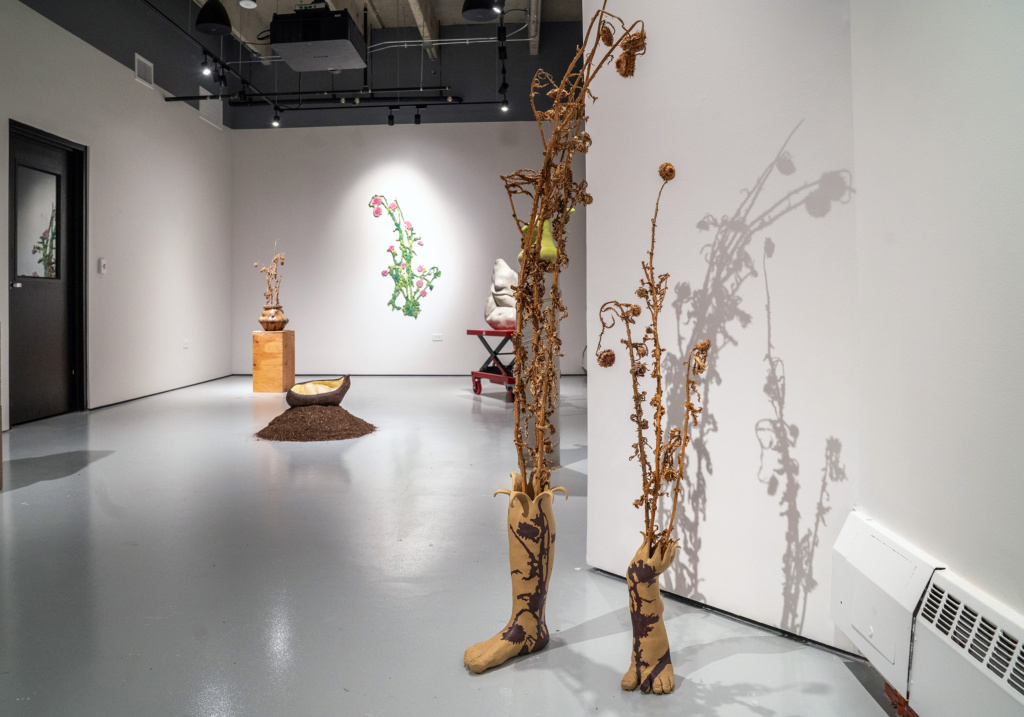
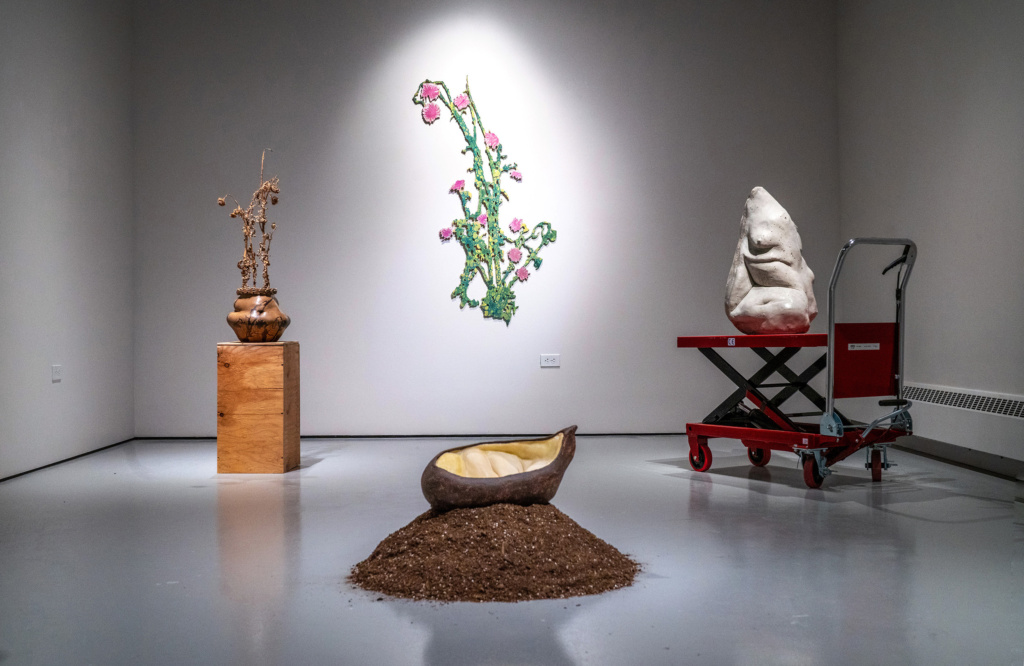
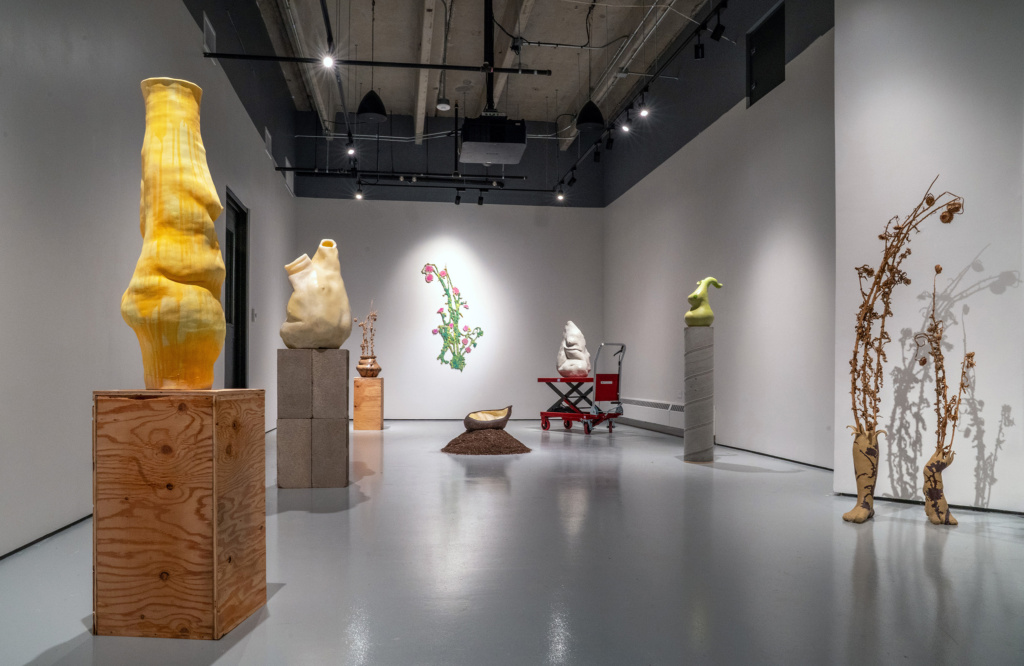
Artwork by Ashlyn Bennett (DU ’26)
On view in the Davis Gallery October 16 through November 9, 2025
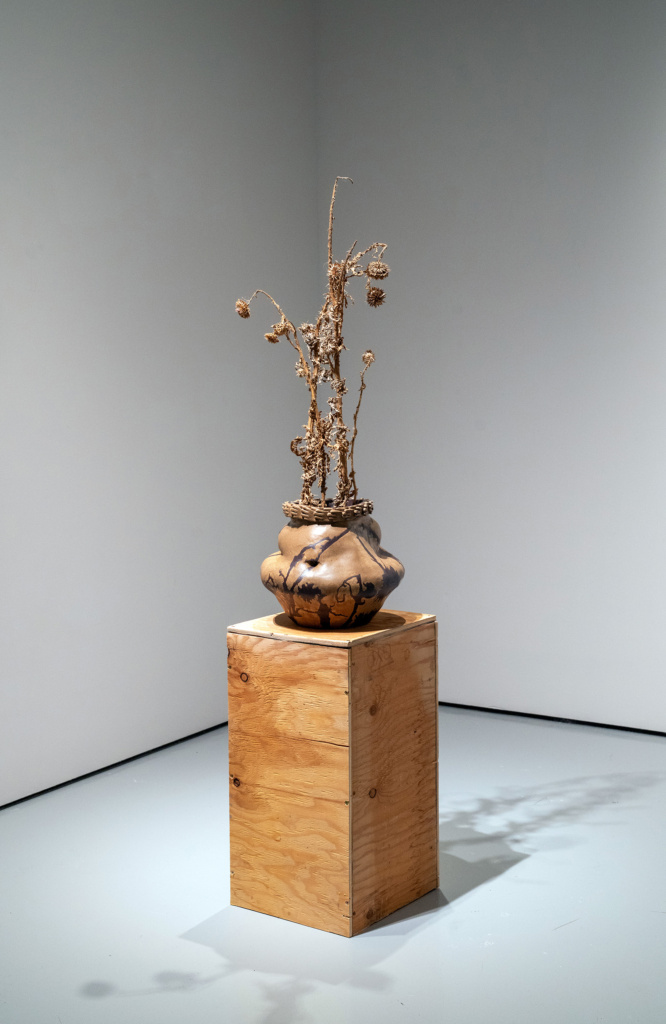
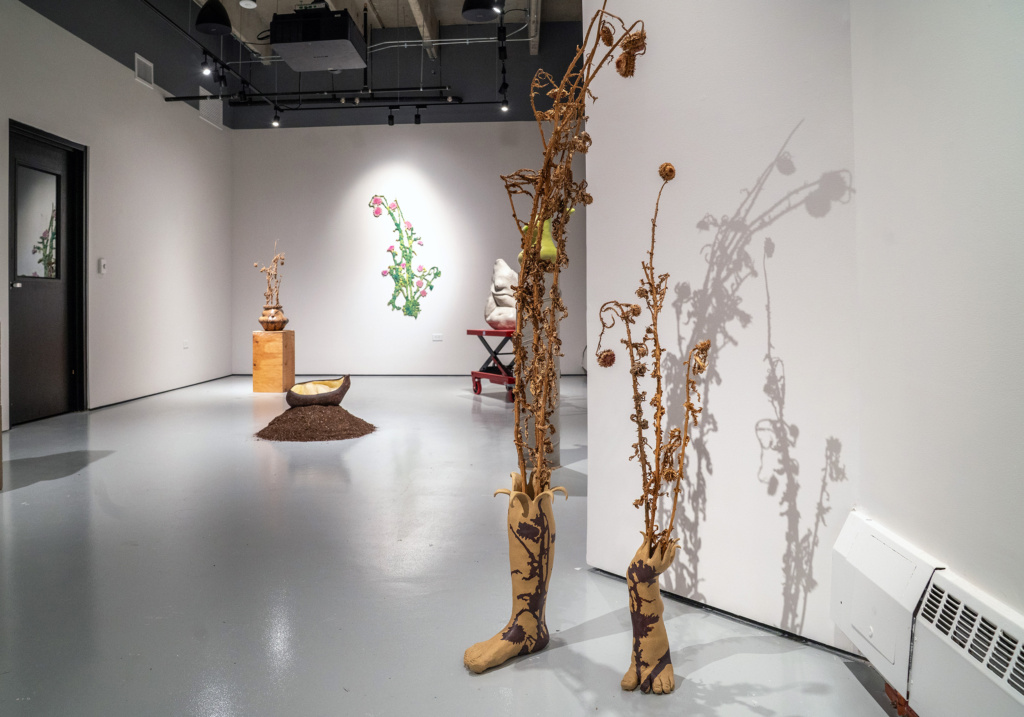
Thistle, originally native to Europe, Asia, and Africa, is widespread across North America, with numerous species found in every U.S. state. Recognized for its resilience, thistle features spiky, purple flowers; green, thorny stems; and spiny, hair-covered leaves that deter predators. This herbaceous plant typically grows in dense thickets between three and seven feet tall, thriving in disturbed areas like roadsides, ditches, pastures, and logged mountain regions. Thistle is biannual, and reproduces by seed after flowering in its second year of growth. Like its relative the dandelion, thistle produces seeds equipped with a soft, parachute-like structure called a pappus, which allows them to float on the wind and spread widely through the environment.
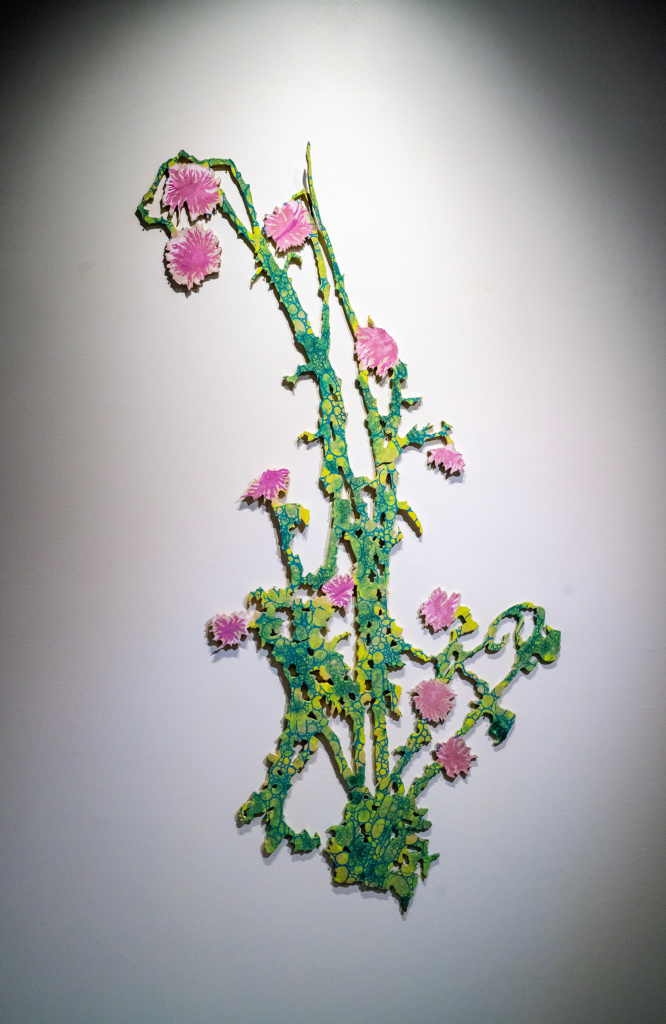
Often regarded as a weed and rarely cultivated due to its prickly and invasive nature, thistle nonetheless holds medicinal value and has historically been used by many Indigenous North American communities. Certain species support bodily systems such as digestion and liver function, aid in regulating the menstrual cycle, and offer anti-inflammatory, antibacterial, antifungal, and pain-relieving benefits. Some species, like sowthistle or blessed thistle, when prepared properly have been used as abortifacients to induce delayed menstruation or end undesired pregnancy.
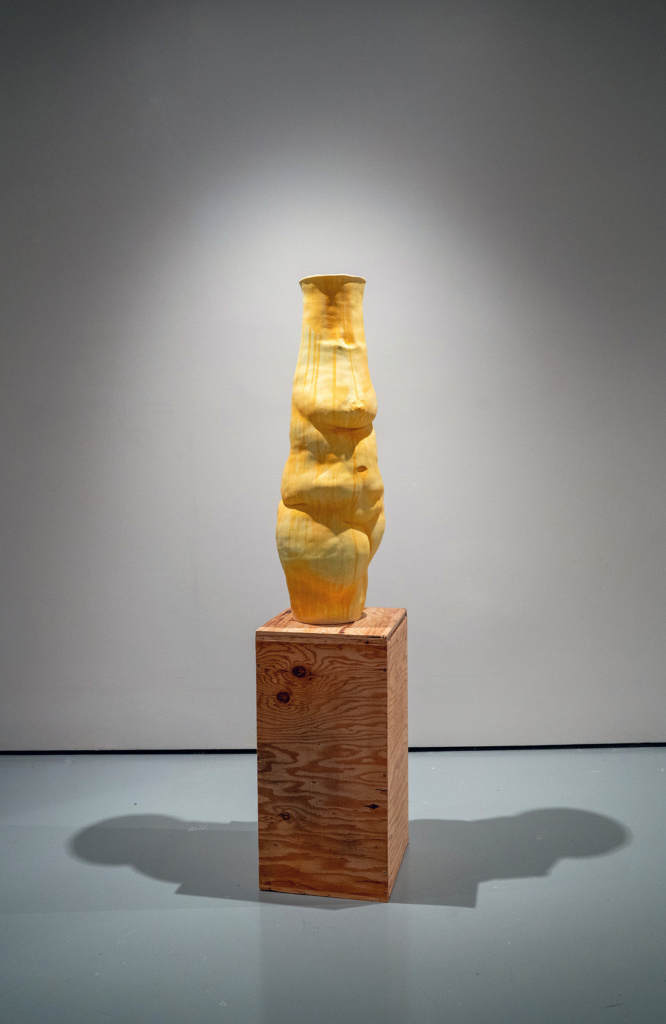
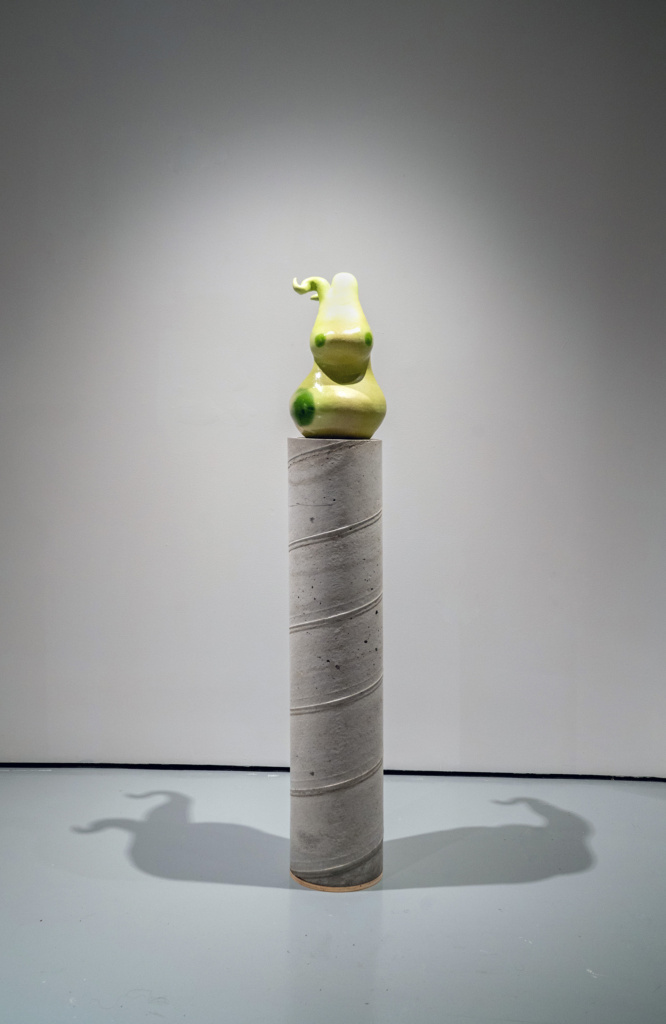
Cyclops
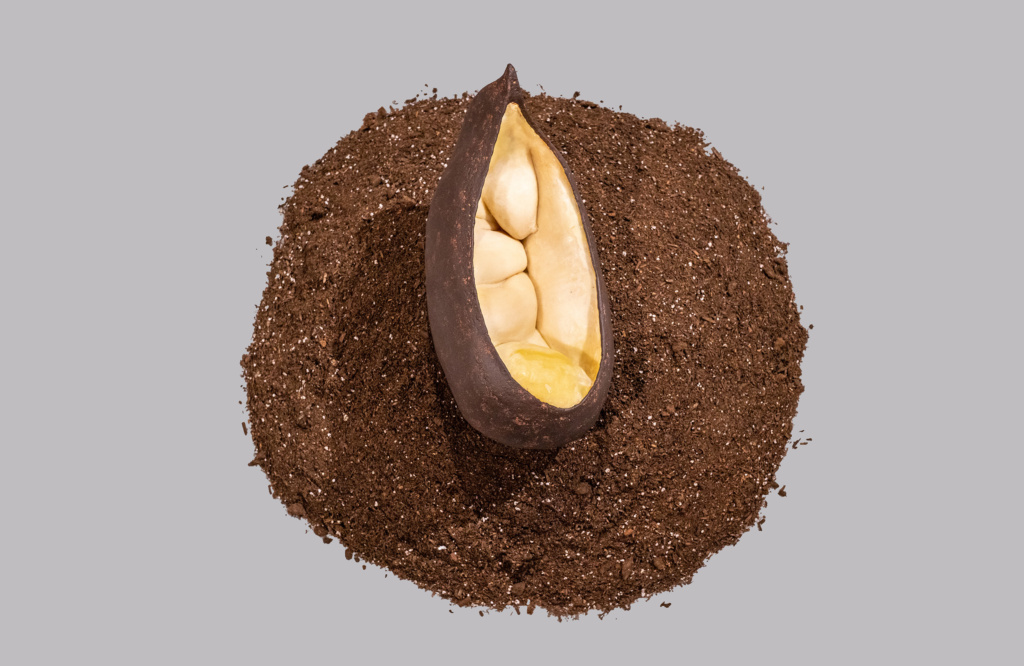
Ceramic
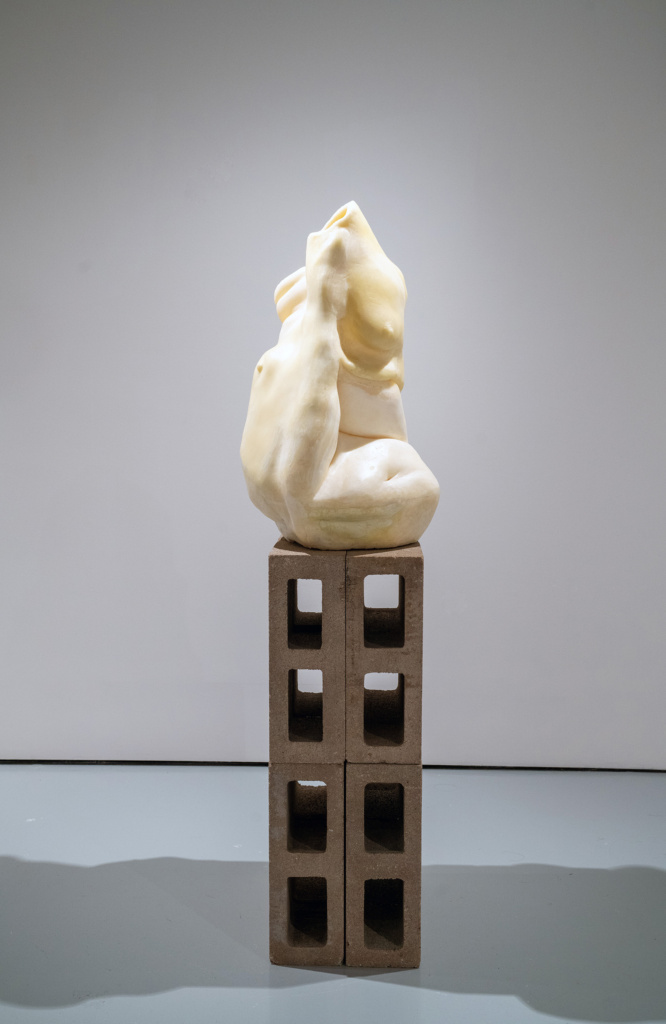
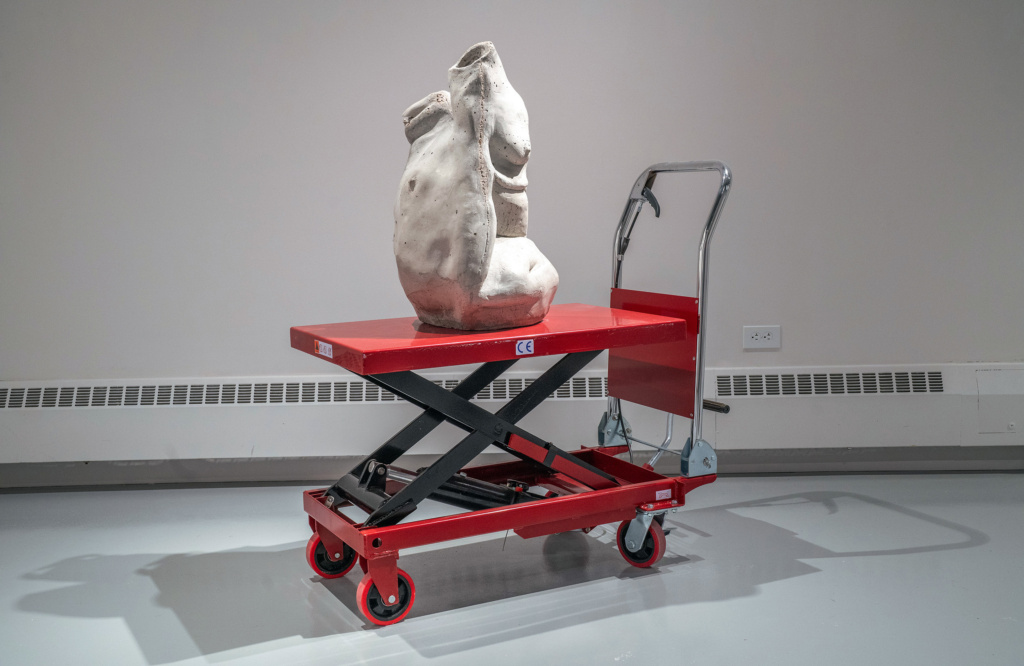
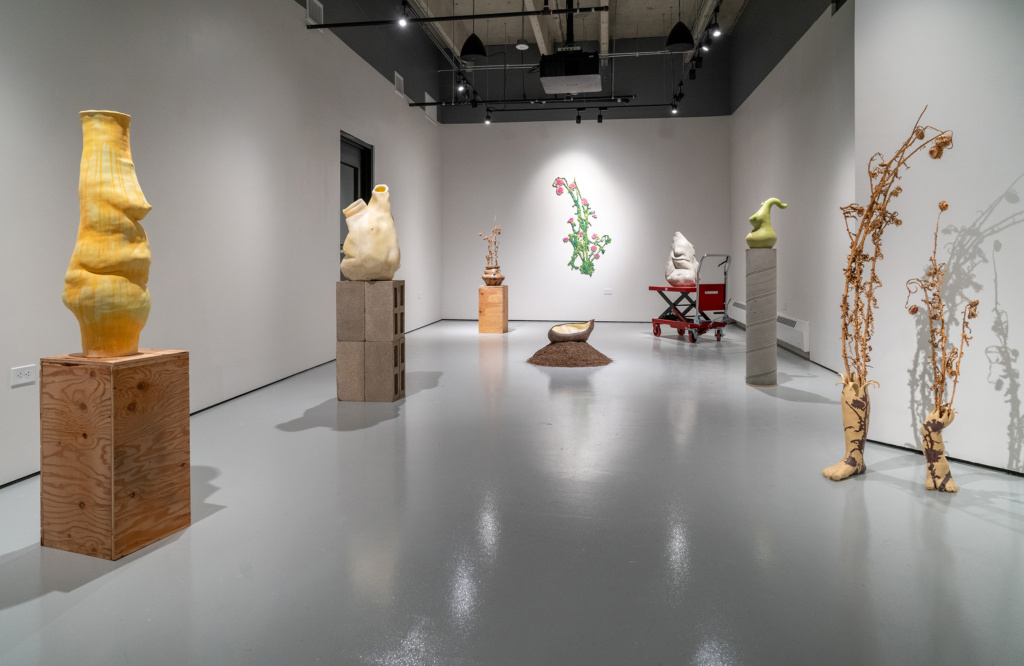
(Left) Anthropomorphic Me 1, beeswax
(Right) Anthropomorphic Me 2, concrete
Photos by Roddy MacInnes